Latter-day Saint
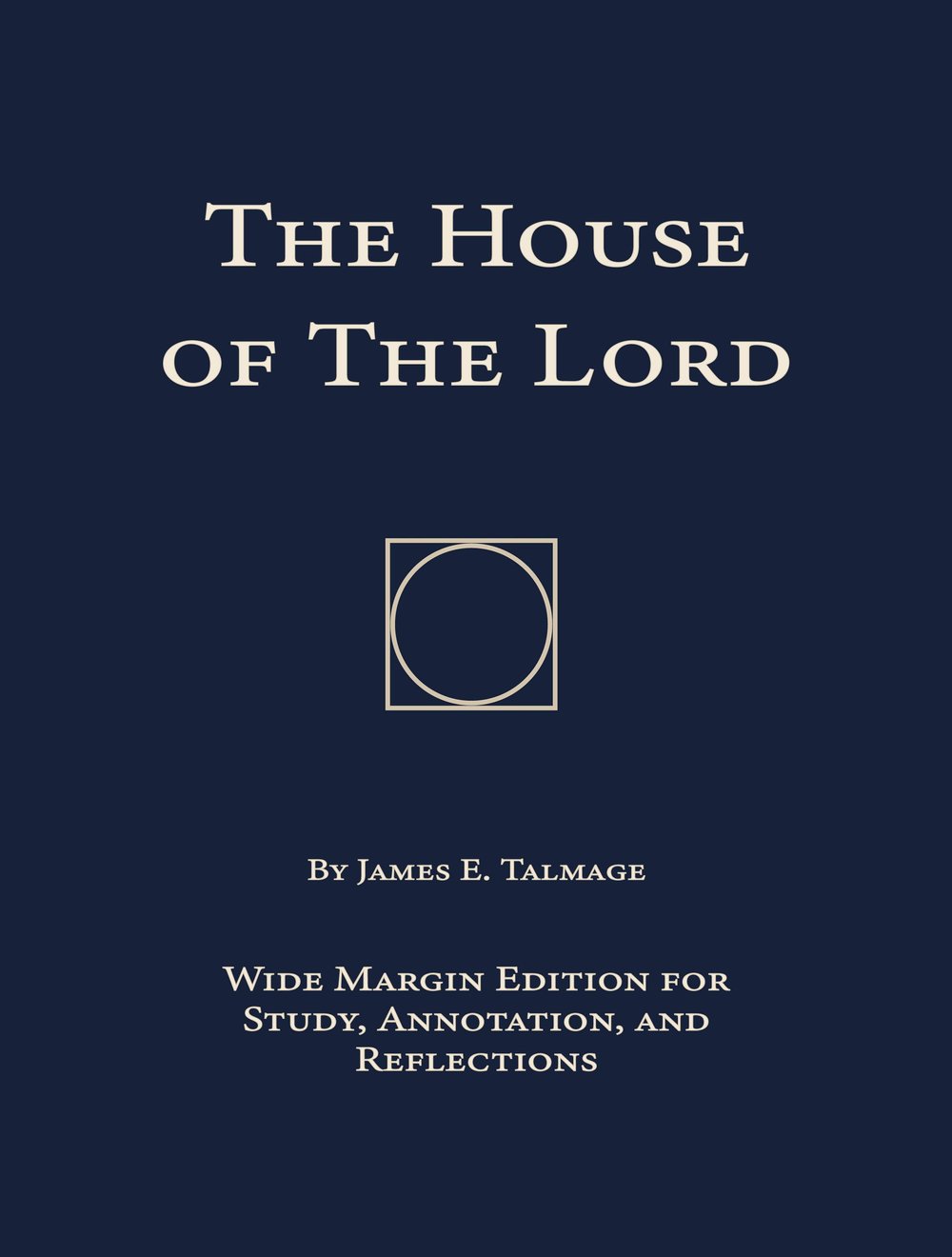
The House of the Lord
Wide-margin study editionTalmage’s work on temples and their place in Latter-day Saint religious practice.
Choose a print edition
Prices and availability are shown by the retailer.
THE WORK & ITS TRADITION
Understand temples in their tradition.
Published in 1912, The House of the Lord explains temples and their place in Latter-day Saint belief and practice. Talmage wrote to address public questions about why temples are built and what their religious purpose means, placing explanation within the faith tradition he represented.
For a study collection, the work offers a historical account of how temple ideas were presented to a wider readership. Read its descriptions as part of that period, rather than assuming every detail describes present-day practice. Wide margins provide room to connect terminology, scriptural references and questions across chapters.
Edition details
- Full published title
- The House of the Lord: Wide Margin Edition for Study, Annotation, and Reflection
- Author or text
- James E. Talmage
- Edition
- Wide-margin study edition
- Amazon print options
- Paperback
- Paperback pages
- 105
- Paperback dimensions
- 8.5 x 0.24 x 11 inches
- Paperback ISBN-13
- 9798249105792
- Paperback edition published
- February 20, 2026
MAKE THE READING YOUR OWN
How to study with this edition
- Separate a description of a building from an explanation of religious purpose. Mark the terms Talmage defines.
- Record the scripture or reasoning supporting a teaching. Add questions about historical context without assuming current practice is identical.
- Create a short glossary in your notes. Connect a topic with The Articles of Faith and record how the two works approach it.
CONTINUE YOUR READING
More latter-day saint
The Book of Mormon
Journal edition